
Let's start a conversation with 20 companies most likely to need your product.
Free, no sign up needed to see the first letter and prospects.
How does it work?
- 1
Research and approve
Every week Lioma finds 20 companies with a live reason to hear from you. You see each one with the signal, the source and the letter. Cross off anyone you know. Approve the rest.
- 2
The letter arrives
Real ink on real paper, in an envelope with their name on it. The first sentence is about their company, not yours. A QR code at the bottom opens the page you built for them.
- 3
They open your page
Not your homepage. A page written for them, with a short film and one clear ask: book a call, see a demo, or write back.
- 4
The ice is broken
Once the letter lands, Lioma follows up on LinkedIn and by email. What comes back sharpens next week’s list and letter. You step in when someone wants to talk. Twenty minutes a week from you. That’s the whole job.
Why I built it
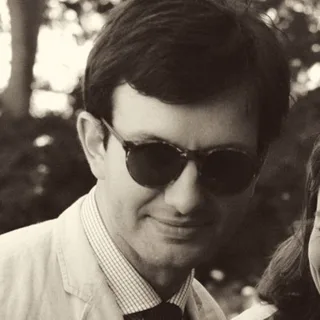
AI made building the product easier. Distribution got harder. Everyone crowded into the inbox, so I write where a message still gets through: a real letter on the desk.
A letter gets opened because almost nobody sends a good one. Most outreach tools send a templated text to a list you give them. I find out who is worth writing to, why now, and write to that one person.
At my previous companies, this channel worked best. At Foodora, we sent mail to a whole district. At Kaia Health, we wrote to patients and doctors alike. It tripled our revenue.
Is this for me?
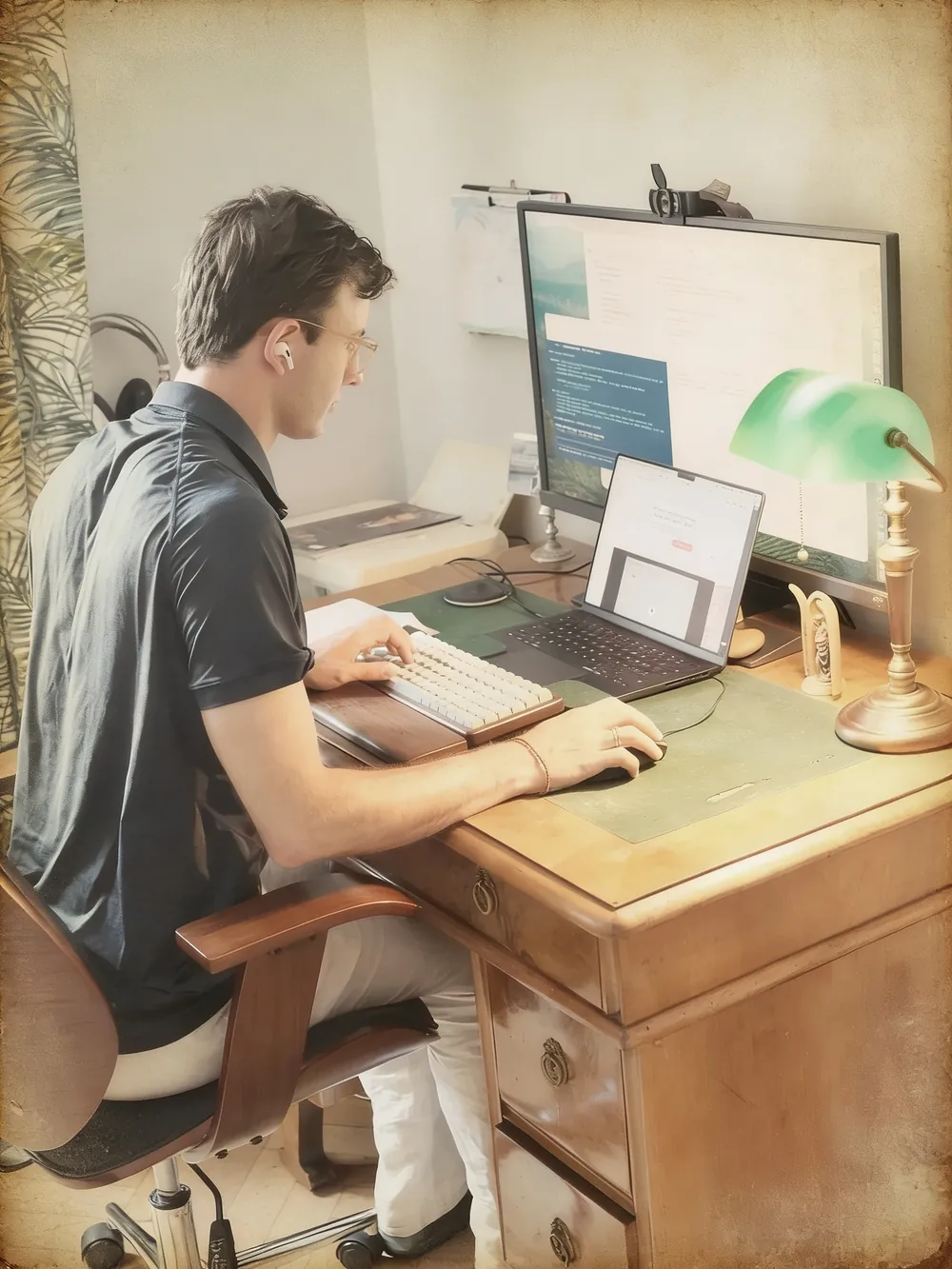
You sell to other businesses. The customers who already knew your name are signed. The next ones have never heard of you.
One new account is worth chasing. That is most of B2B. Every industry leaves a public record of who is about to need you: a building permit, a second job posting, a company registered at its lawyer’s address because it has no office yet. Those signals are free and nobody is selling them. Finding them is the part I enjoy.
You know outreach would work, and you will never find the afternoons to do it. This costs less than an intern and does not need managing.
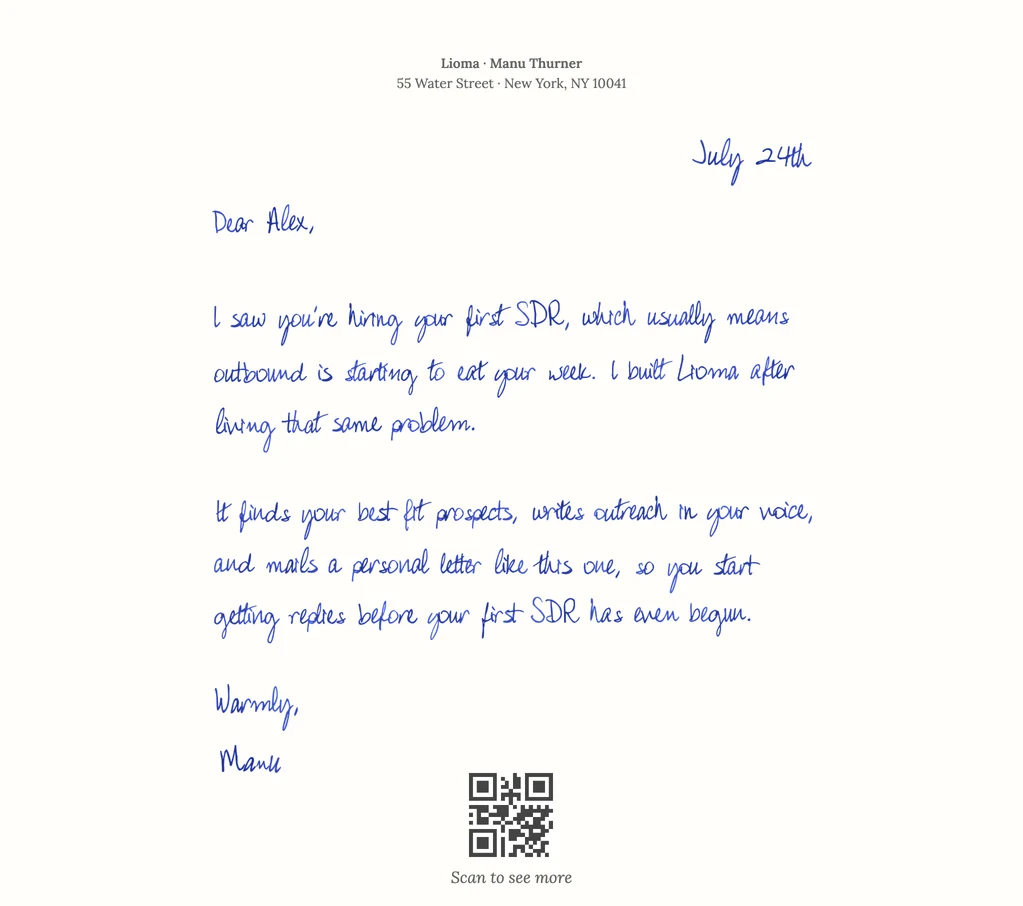
One of my letters. Click to see how it's made.
Before you ask
Who are you writing to?
Companies that need what you sell, right when they need it.
Some signals anyone can buy: a new hire, fresh funding, a tool showing up on their site. I use those too, and so does everyone else. So I also read public records for the moment before, the ones nobody sells because they are free: a job posted twice, a company using its lawyer as a registered address, a building permit on the building they rent.
Eight industries so far: commercial property, renewable energy, accounting, finance, construction, staffing, insurance and logistics. If yours is not among them, we work out its signals together.
You see every name before anything goes out. Cross any off. Each one gets a letter about their company and a QR code to a page made for them.
Will it sound like me?
We write the first letter together. I draft, you tell me what is off, I learn. After that you approve every batch before it goes out. You will fix a few letters in the first month and almost none by the third.
What can I change?
The list, the letters, and who you never want to write to. Cross anyone off, or give me your own list. Rewrite any letter, and I learn from the edit. Name a company that is off limits and it stays off. The one thing you cannot change is a letter once it is in the post, which is why nothing goes out without your yes.
How much of my time does this take?
Twenty minutes a week. The first week takes a bit more, because we write the first letter together. After that you approve a batch and read one page on what came back. You never research a company, hunt for an address, or remember to follow up on a Tuesday.
Can I send letters to people who never asked?
Yes, on both sides of the Atlantic. In the EU, writing to a business about business counts as a legitimate interest, so the rules that killed cold email left the letterbox alone. The first letter says where their details came from and how to opt out. That line is on every letter, and the QR code takes them off the list in one tap. In the US, a letter to a business office has no such restriction. Business addresses only, opt-outs honoured, no consumer lists.
How long until a letter arrives?
Four to seven business days. We print and post from the destination region, so a letter to Munich ships from Germany and a letter to Chicago ships from the US. We send to any business address in Europe, North America, the UK and Australia.
What does it cost?
€680 a month, plus VAT. That buys touch points, not just letters: about 370 across the flagship month, made of 100 researched letters and up to 270 LinkedIn and email follow-ups behind them, plus deep research on every prospect and the weekly read on what came back. Month to month, no setup fee, no minimum. A first real answer takes about 2 months and 160 letters. Whether it pays off is €680 against what one customer is worth to you. The calculator below does that sum.
How fast do I know if it is working?
Good news comes fast, bad news slowly. At 20 letters a week, replies start to mean something once about 48 letters are out and have had two weeks to land. That is roughly a month in. By week 6 to 8 you have a real read. Every person is asked up to four times, so more of them answer. And you need one decision, not a precise percentage. We count, and we say up front how often the count can be wrong: about a 5% chance of calling a working angle dead. Every week I tell you where on that road you are.
The letter is the ice breaker. Everything after it can refer back. A LinkedIn message that says “I wrote you a letter last week about X, did you get it?” is not cold outreach. A call where the other person has already held your letter is not a cold call. The first touch changes every touch after it.
That pattern is not new. A young Warren Buffett wrote a letter to Benjamin Graham and landed the job that started his career as the most successful investor of his generation. Three computer science students in Munich sent handwritten notes to the CEOs of Europe’s largest companies because, as co-founder Alexander Rinke put it, “if we sent an email it could just be deleted, and if we sent typed letters their secretaries would bin them as junk mail.” Those letters got them into the room. The company they built, Celonis, is now worth over a billion dollars. The letter did not close the deal. It opened the door.
The ladder and the worked example
Is it really handwritten?
The handwriting is machine-made, the decision to write to them was not. An algorithm varies every stroke so no two pages look the same.
What if it doesn't work?
You cancel with a week's notice and keep everything: the target list, the letters, and the record of which message got answered and which got silence. That travels into every channel you run next.
Do the math
For every 1 you pay us, you get back
One customer costs about €756 to win. 6 to 8 weeks and 160 letters to know.
Based on the industry average of 4% reply rate and 20% close rate. Change assumptions
The ANA industry average for direct mail is 4.4%. Personalised, researched letters do better.
Let’s find your next customer together

Enter your website and I will show you the three people I would write to today, and what the first letter says, before you sign up for anything.
Then we send 20 a week. Every week Lioma reports back: who was written to, who answered, what the next batch changes. When it works, you have a channel that keeps paying. If it does not, I tell you first, and the list and the letters stay yours either way.